3 min read

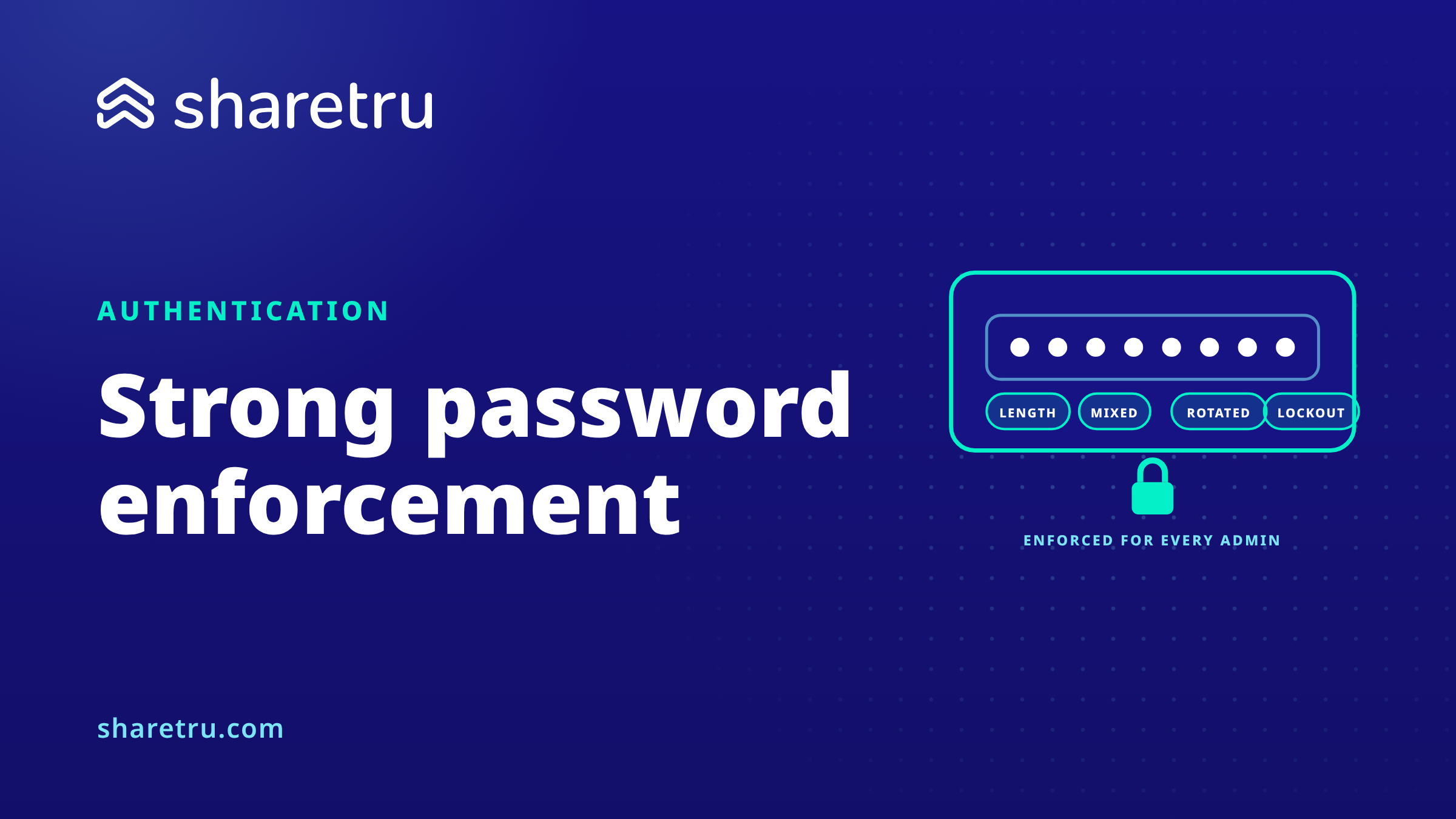
When you have a large user base (as is common in the world of business), to say that it's important for administrators to manage passwords effectively is something of an understatement. Each user represents a potential vulnerability just waiting to be exploited by someone who knows what they're doing - weak or ineffective passwords make it far too easy for your business to fall into this trap. All the encryption in the world is useless if someone’s password is cracked. Strong password enforcement SFTP guidelines are put in place to help make sure this doesn't happen.
How to Create Stronger SFTP Passwords
Best Practices for Strong Passwords
When it comes to strong passwords, the number one rule involves the use of numbers, letters (both upper and lower case), special characters and more - all in an effort to generate a password that is impossible to guess and as hard as possible to compromise by way of a "brute force" attack. Passwords should also be changed on a regular basis - usually every few months or so - to render any passwords that have been compromised worthless. Whenever password information is transmitted, it should be encrypted at all times - transmitting password information in plain text is a security disaster just waiting to happen. Don't let it happen to you.
Enforcing Strong Passwords
The key to enforcing strong passwords across your organization is to put a strong password enforcement policy in place as soon as you can. You should clearly outline exactly what types of passwords can be used, how often they must be changed and other important rules that employees will have to agree to follow. The penalties for violating the password enforcement policy should be severe, as the potential effects of a data breach or other catastrophic situation can result in data loss, fines and even regulatory action that a small business might not be able to recover from. A good SFTP service will allow service admins to manage all aspects of password strength requirements and password expiration intervals.
SFTP Password Controls
When choosing an SFTP provider for all of your file sharing needs, there are a number of important things to keep in mind regarding strong passwords and certain user authentication features. By default, all logins should require password authentication for maximum security - regardless of how strong or how weak a password happens to be. Your SFTP provider should also give you the ability to manage public SSH keys on a per-user basis, helping to keep things more secure but still require the superior authentication that is typically used for scripted connections.
As an administrator, your SFTP provider should also give you the ability to set whether a user is using a password, an SSH-key or both at the same time. This will help keep things flexible - whether a user just wants to use their Web browser or have automated certain SFTP functionality, they're protected in both situations.

Related articles
All articles
8 ITAR Data Security Tips for Government Agencies
Government organizations and companies that operate in the defense industry have a great deal at stake in the event of a data breach. If …
6 Ways FTP Sites Benefit Construction and Engineering Companies
Construction and engineering companies have significant file sharing needs that just aren't being met by traditional providers. These …
How FTP Servers Make Disaster Recovery Reliable and Simple
Disaster recovery is of paramount importance to all types of businesses, but with the huge volumes of data that places like law firms and …
